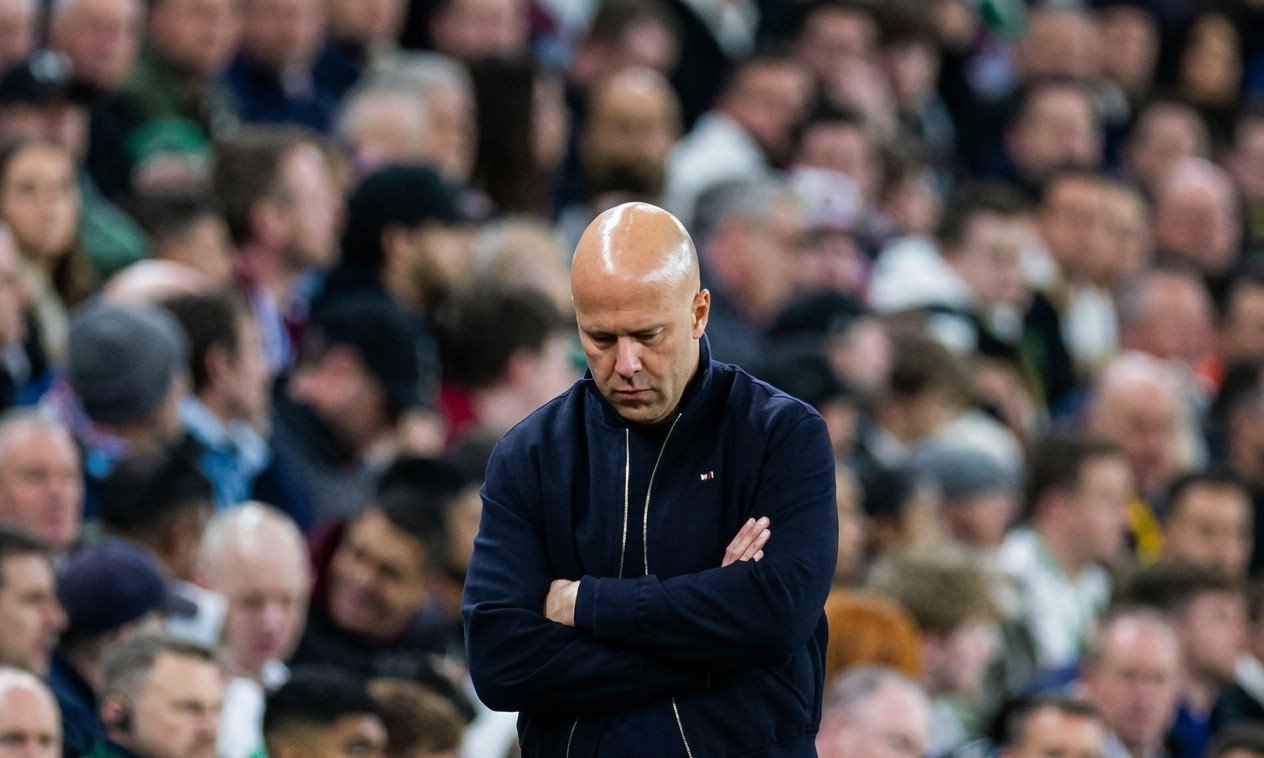
Enzo Maresca’s first public remarks since Manchester City’s financial verdict have underscored a message of steadfast support for the club’s hierarchy, even as the Premier League champions navigate one of the most complex legal battles in their history. Speaking ahead of Sunday’s high-stakes clash against Liverpool—a fixture that will determine much of the title race—Maresca made clear that his priority lies in maintaining the squad’s cohesion, not in dissecting the independent commission’s findings. ‘I spoke with the club, we all trust,’ he stated, framing the appeal as the natural next step in a process he believes will ultimately vindicate City’s position. The timing of his comments, just days after the Premier League’s damning report exposed alleged ‘sham’ sponsorship deals inflating revenue by over £900 million between 2009/10 and 2017/18, signals a deliberate strategy: keep the narrative focused on football while the legal machinery grinds on.
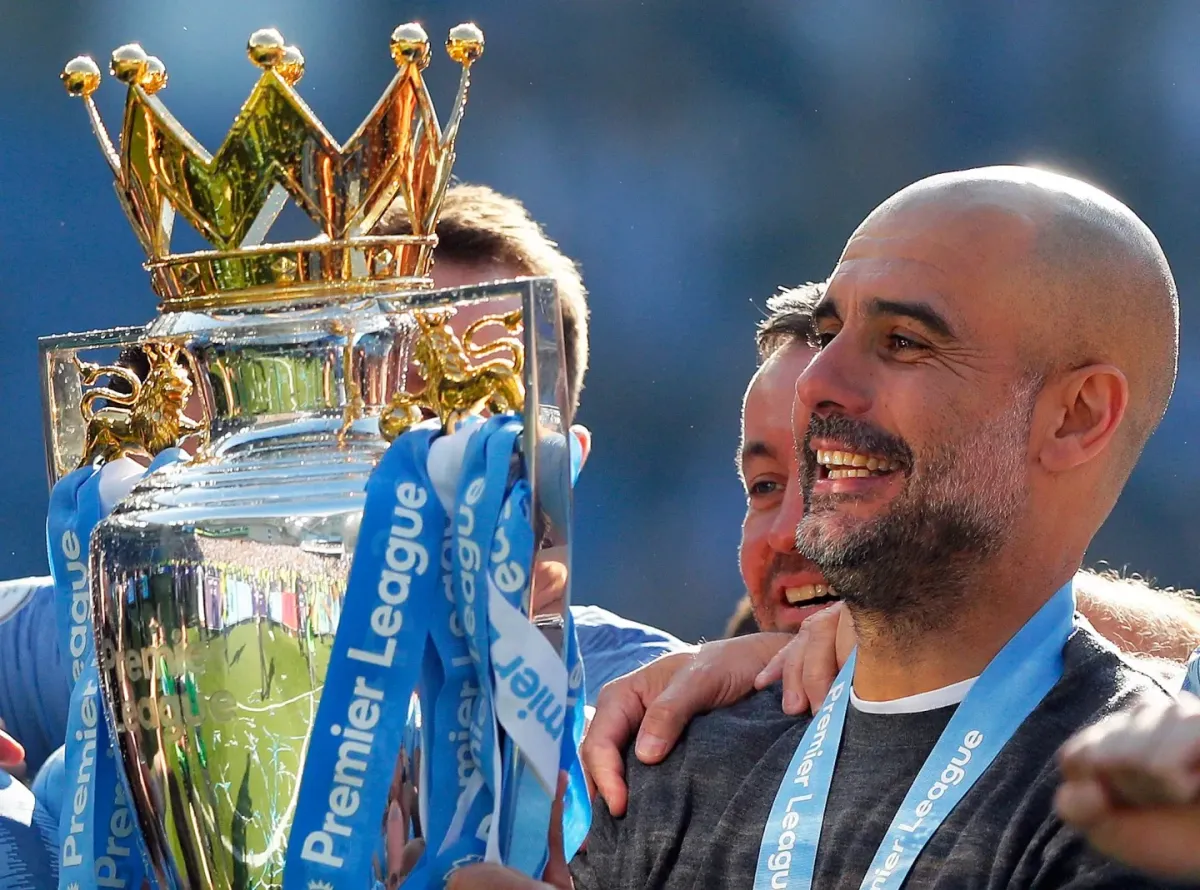
The financial breaches, spanning nine seasons under Pep Guardiola’s tenure, have exposed a system where City allegedly concealed true financial figures to avoid UEFA and Premier League spending limits—despite winning three league titles during the period. Guardiola himself, now a figurehead for the club’s supporters, has rallied behind the hierarchy in a rare public statement, urging unity with the mantra that ‘we will get through this together.’ His words carry weight not just as a former manager but as a symbol of the club’s identity, a man who built City into a global powerhouse while navigating similar scrutiny during his time in charge. Yet the contrast between Guardiola’s departure last season and the current crisis is stark: then, the focus was on legacy and ambition; now, it is survival in the face of institutional doubt. Ferran Soriano, the club’s Chief Executive, has already rejected the commission’s findings in a video address to staff, framing the case as a miscarriage of justice rooted in ‘misinterpretations’ of financial practices. His personal connection to the fanbase—‘I feel with them as well’—may prove crucial as the appeal unfolds, but the immediate challenge is ensuring the squad’s morale remains unshaken ahead of a grueling season.
Maresca’s emphasis on football over the financial fallout is not merely tactical; it is a reflection of the club’s current reality. With City sitting atop the Premier League table after five straight victories, the pressure to perform is intense. The Liverpool fixture at Anfield will test whether the squad’s early-season momentum can translate into a dominant performance in a hostile environment. Maresca’s squad, having returned from international breaks, has been described as ‘in good spirits,’ though the weight of the financial verdict looms over every training session. The players’ focus, he has made clear, must remain on the next two games—not the legal proceedings. Yet the specter of potential sanctions, which could include points deductions or financial penalties, hangs over the club like a cloud. The appeal process, still in its early stages, offers a glimmer of hope, but the Premier League’s refusal to comment on timelines or potential outcomes leaves City in a precarious position. The club’s ability to sustain its title challenge hinges on whether the footballing machine can continue to function without distraction, or if the financial storm will eventually disrupt its rhythm.
What remains unspoken in the public discourse is the broader implications of this case for the Premier League itself. The revelations about City’s financial engineering—allegedly involving ‘sham’ contracts and secret funding—have reignited debates about the league’s regulatory framework. If the appeal fails, the precedent could force other clubs to scrutinize their own financial structures, potentially leading to a wave of legal challenges or systemic reforms. For City, the stakes are personal: the club’s reputation, built on Guardiola’s revolution and Soriano’s stewardship, now faces its most serious test since the early 2000s. Maresca, a man who cut his teeth as Guardiola’s assistant, understands the stakes better than most. His calm demeanor in the face of adversity suggests he is preparing for a long haul—not just in the appeal, but in managing the club’s narrative. The question now is whether the footballing world will remember City for their dominance on the pitch, or for the financial battles that have come to define this era.
One thing is certain: the next few months will determine whether Manchester City’s crisis becomes a footnote in history or a turning point in the club’s legacy. The Premier League title remains within reach, but the financial verdict has introduced an element of uncertainty that no manager, no matter how respected, can ignore. Maresca’s role is to ensure that the squad’s identity—built on discipline, ambition, and unity—remains intact. Whether the club’s leadership can navigate the legal minefield without derailing the footballing project is the ultimate test of their resilience. For now, the focus is on Anfield. After that, the real battle begins.