

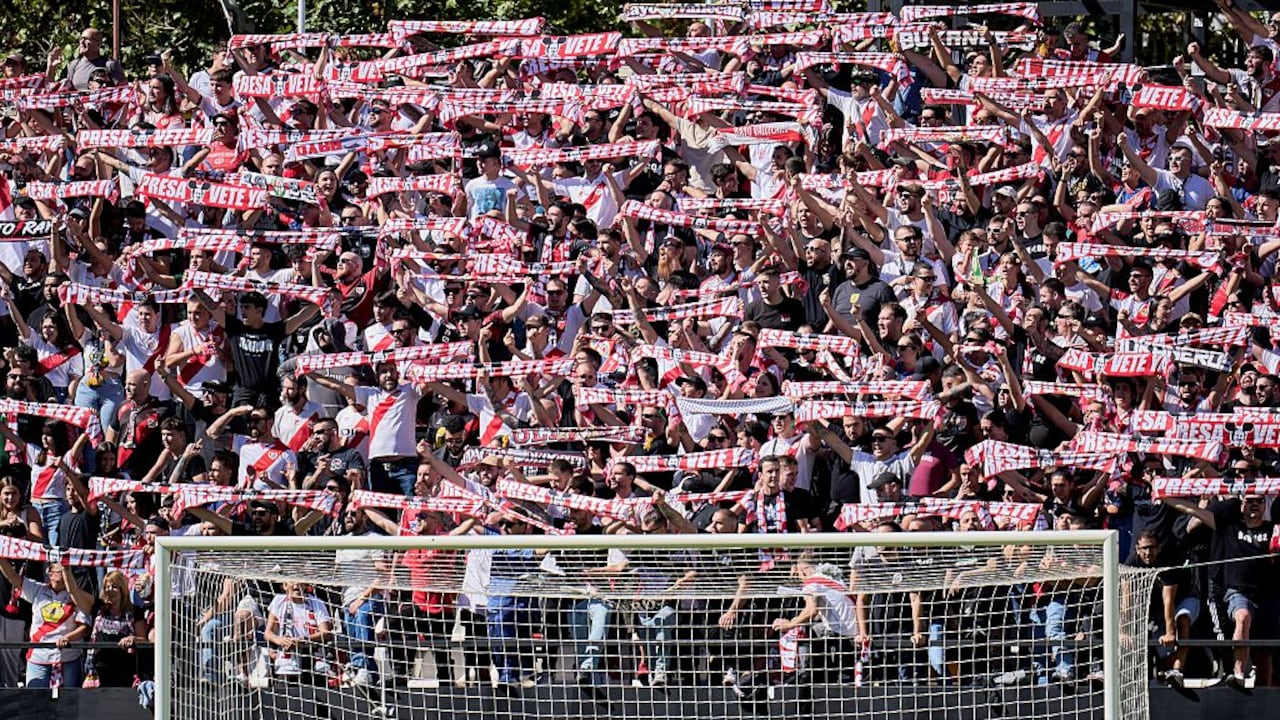
The return of Rayo Vallecano to their own stadium after a 147-day absence was not the homecoming they had hoped for. Instead, it became a chaotic display of fan discontent that forced the suspension of their La Liga opener against Athletic Bilbao on Saturday. The match, which should have marked a symbolic renewal of the club’s connection to its community, instead descended into protest when supporters launched a coordinated barrage of paper airplanes and small plastic balls onto the pitch. The referee, unable to continue safely, abandoned the game at the 13th minute with the score locked at 0-0, leaving the stadium in an atmosphere of frustration and defiance.
The targets of the protest were clear: club president Raúl Martín Presa, whose 15-year tenure has been marked by growing alienation from the very supporters who once rallied behind Rayo’s left-wing, community-driven identity. The objects were not thrown randomly—they were a deliberate message. Graffiti scrawled on the presidential box during a pre-season friendly read ‘Presa, leave now,’ and the same chant echoed through the stands on Saturday. The fans’ anger is not new, but the intensity of the latest demonstrations suggests a breaking point. The deteriorating state of Estadio de Vallecas, a crumbling relic of the club’s past, has only fueled the sense that Presa’s leadership has failed to deliver on the promises of stability and investment.
The protest was not just about the stadium. It was about the erosion of Rayo’s soul. The club has long prided itself on its grassroots ethos, its refusal to be absorbed by the commercial forces that dominate modern football. Yet, under Presa’s stewardship, the gap between the club’s ideals and its reality has widened. Players and fans alike have grown disillusioned, with accusations of a management style that prioritizes control over connection. The captain, Óscar Valiente, later acknowledged the ‘unsustainable situation’ on social media, urging a reckoning with the discontent that has simmered for years. His words carried weight, but the question remains: will Presa listen, or will the club continue to drift further from the supporters who built it?
The fallout from Saturday’s events extends beyond the pitch. Presa has accused regional authorities of deliberately targeting his club, a claim that only deepens the polarization. Meanwhile, the match’s abandonment—after three separate stoppages—has left Rayo’s season already marred by controversy. The La Liga fixture against Athletic Bilbao, a team with its own proud history, was supposed to be a statement of return. Instead, it became a symbol of the fractures within Rayo Vallecano. The club’s next steps will be watched closely, not just for tactical or sporting reasons, but as a test of whether its leadership can bridge the divide with the very people who have sustained it through better and worse times.



