

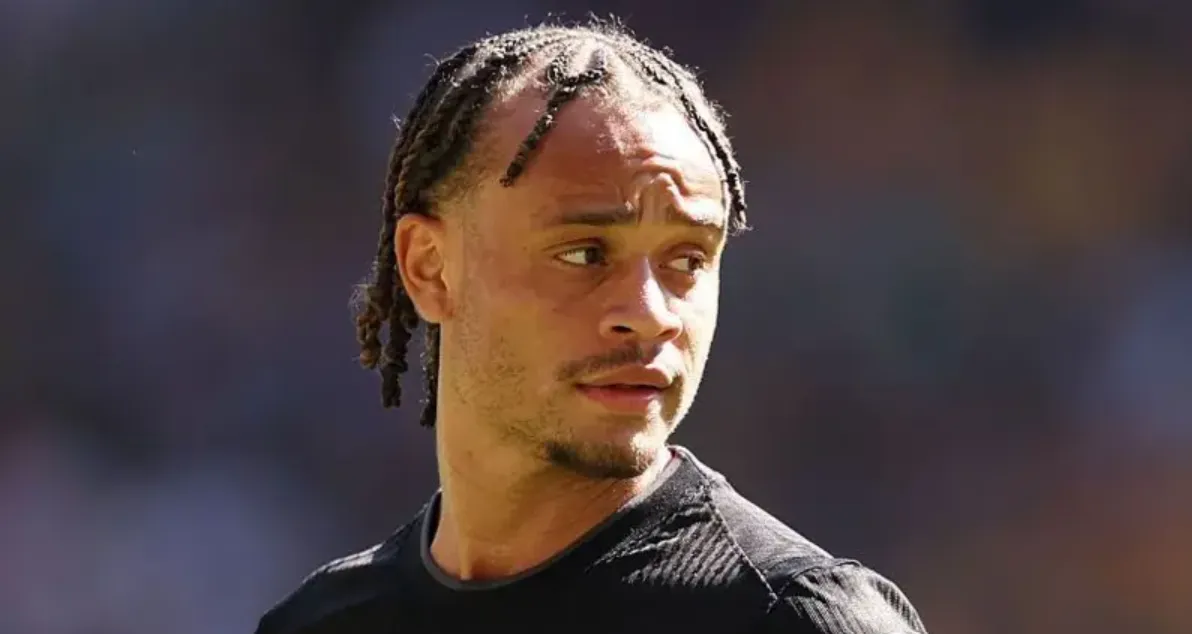
Xavi Simons has always been the kind of player who thrives under pressure—whether dictating play for Tottenham Hotspur or representing the Netherlands at the highest level. But when a ruptured anterior cruciate ligament in April 2024 sidelined him indefinitely, the 23-year-old midfielder faced a reality few elite athletes confront: the need to redefine his trajectory while his body healed. Instead of retreating into passive recovery, Simons has chosen to accelerate his growth by enrolling in Harvard University’s Crossover into Business programme, a rare intersection of elite athletics and corporate leadership.
The decision reflects Simons’ disciplined approach to both football and personal development. While his physical rehabilitation continues in the United States—where he recently visited Harvard’s Boston campus—he has paired his medical recovery with an immersive educational experience. The Crossover programme, tailored for professional athletes, pairs Simons with Harvard MBA students to dissect real-world business case studies and enterprise management. This isn’t just academic theory; it’s a hands-on curriculum designed to equip athletes with the commercial acumen needed to navigate careers beyond sport. Previous participants have included stars from the NBA, NFL, and MLS, but Simons’ inclusion underscores his ambition to treat football as both a profession and a platform for broader influence.
For a player who has already demonstrated tactical intelligence on the pitch—whether as a creative force for Spurs or a key figure in the Netherlands’ midfield—this move signals a deliberate expansion of his intellectual capital. Simons has made clear that ‘getting back on the pitch is still his number one priority,’ but his enrollment at Harvard reveals a deeper strategy: using this enforced break to build a foundation that extends beyond his athletic prime. The injury, which ended his domestic season and robbed him of a World Cup opportunity, could have been a setback. Instead, Simons is treating it as a pivot, leveraging the time to develop skills that could redefine his legacy long after his playing days conclude.
The timing of this decision is particularly notable. Simons’ ACL tear was a setback not just for his immediate career but for the Netherlands’ World Cup campaign, where his creative versatility was expected to be a cornerstone. Now, as he works toward a return that may not come until 2027, the Harvard programme offers a parallel path—one where he can engage with business leaders, refine his leadership skills, and explore opportunities in sports management, entrepreneurship, or even media. The programme’s structure, which pairs athletes with MBA students, ensures he gains practical insights rather than abstract knowledge, a critical distinction for someone who has spent years mastering the nuances of football.
This isn’t merely an academic detour; it’s a calculated investment in Simons’ future. In an era where athletes are increasingly expected to transition into roles beyond playing, his proactive approach sets a benchmark for how professionals can use downtime to future-proof their careers. Whether he returns to Spurs as a refined midfielder or pivots into a leadership role in football’s commercial landscape, one thing is clear: Xavi Simons is using this chapter to build a legacy that transcends the 90 minutes. For a player who has already proven his ability to elevate teams, this next step—off the pitch but no less strategic—may be his most ambitious play yet.



