

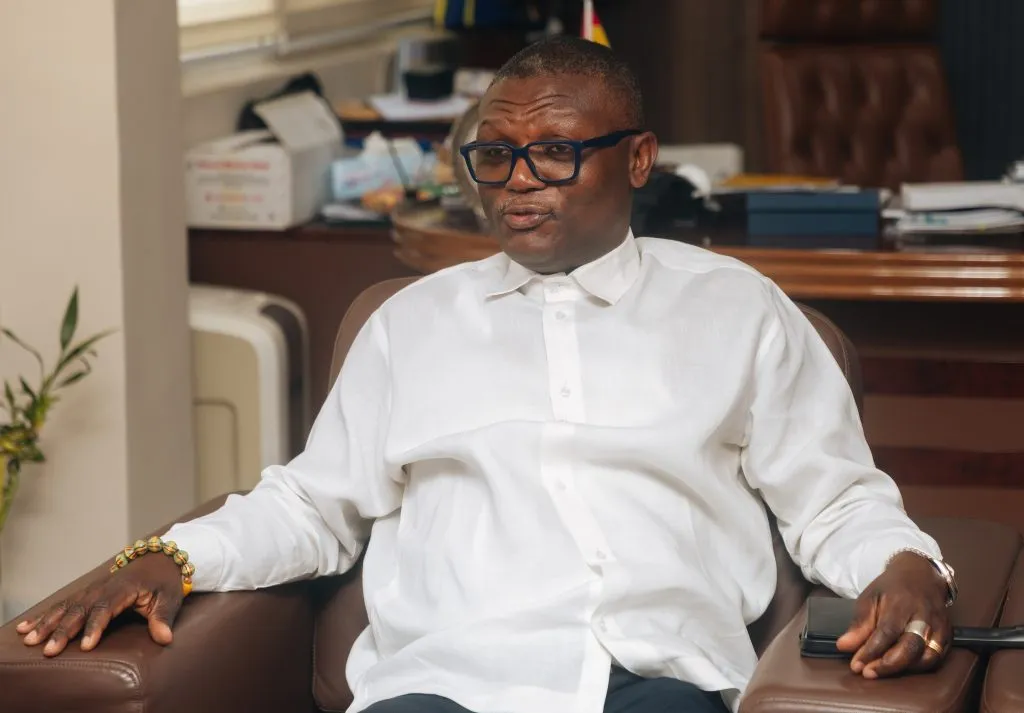
The visa controversy surrounding Ghana’s participation in the 2026 FIFA World Cup has taken a sharp turn as Sports and Recreation Minister Kofi Adams publicly rejected allegations that his ministry was shielding officials involved in the scandal. Speaking directly to the accusations—which have tied the Ministry of Sports and Recreation to delays and irregularities in visa processing for Ghanaian fans—Adams dismissed the claims as unfounded, insisting his office had no involvement in the matter.
The controversy has already drawn scrutiny from multiple quarters, including the National Sports Authority (NSA) and the Ghana Tourism Authority (GTA), both of which have been named in reports linking the visa issues to broader operational failures ahead of the tournament. Adams, however, has framed the problem as one of systemic inefficiency rather than ministerial misconduct, arguing that accountability should not be confined to his department alone. His stance comes as Ghana’s government faces mounting international pressure to ensure fair and accessible visa policies for African supporters attending the World Cup in the United States.
In a direct appeal to host nations, Adams has called on authorities to ease restrictions on visa acquisition for fans, a plea that underscores the broader challenges African nations face in securing travel documentation for major sporting events. The minister’s comments, delivered in a press conference, sought to clarify the ministry’s position while simultaneously urging transparency in resolving the logistical hurdles. Yet the denial has done little to quell skepticism, particularly as reports continue to surface implicating lower-level officials within the sports administration.
The timing of Adams’ response is critical, as Ghana’s preparations for the 2026 World Cup enter a phase where fan travel—both for domestic and international supporters—must be guaranteed to avoid last-minute disruptions. The controversy has already prompted questions about the coordination between the Ministry of Sports, the NSA, and the GTA, with some observers suggesting a breakdown in communication has exacerbated the visa delays. Adams’ refusal to accept responsibility for the scandal, however, signals a defensive posture, one that may further strain public trust in the government’s ability to manage the country’s World Cup commitments.
As the 2026 tournament approaches, the visa issue remains a flashpoint that could overshadow Ghana’s on-field preparations. The minister’s denial, while firm, does little to address the root causes of the problem, leaving fans and stakeholders to question whether the necessary reforms will be implemented in time. For now, the focus remains on whether host nations will heed Adams’ call for greater flexibility—or if Ghana will be left to navigate the fallout alone.



