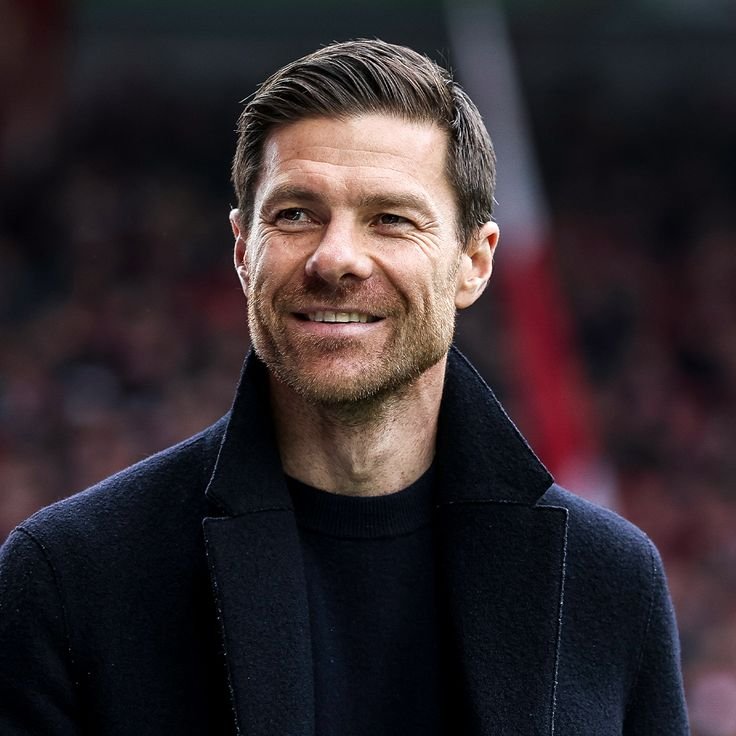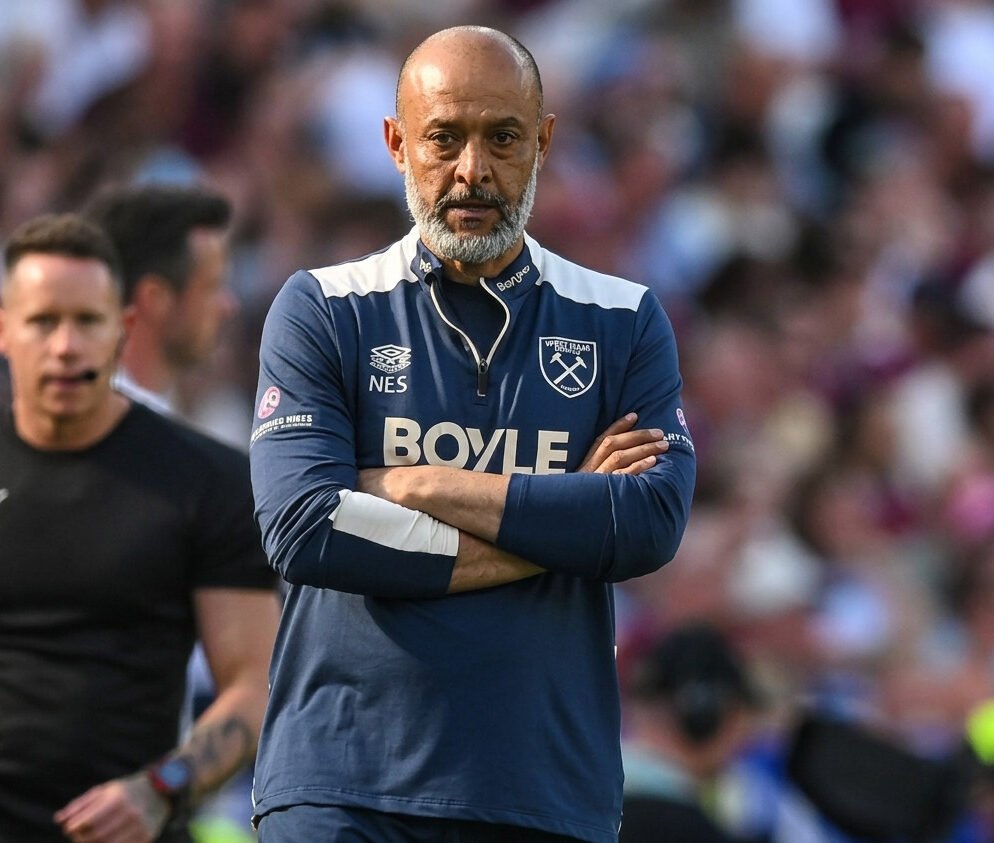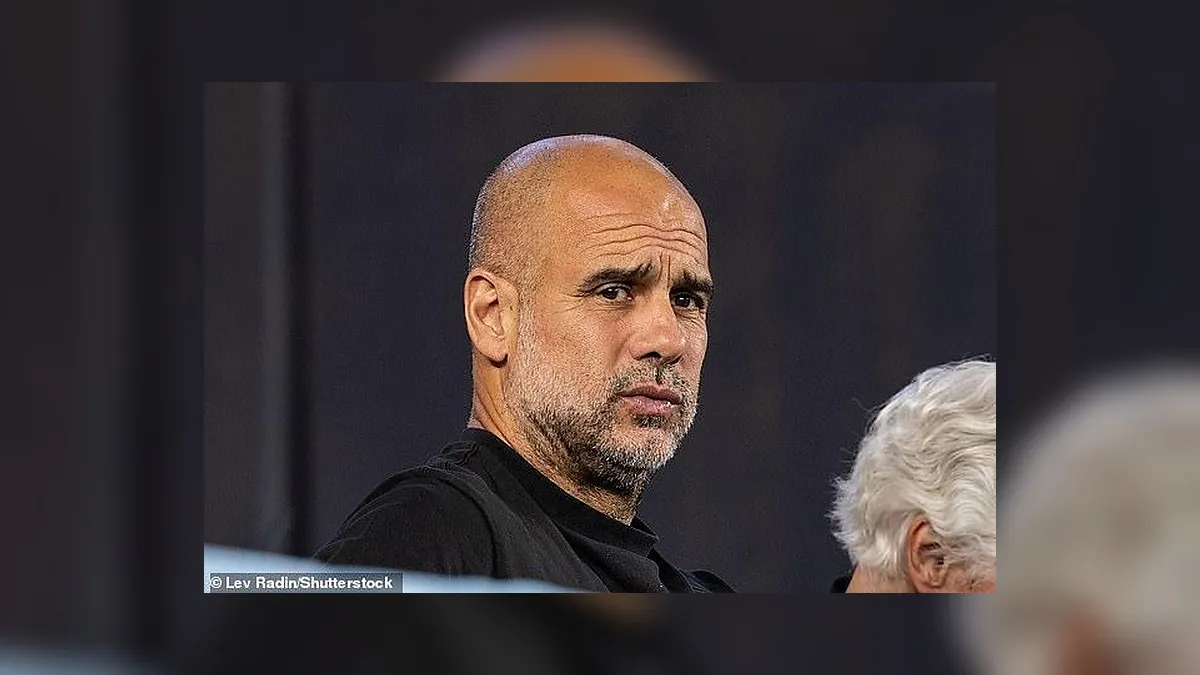
The financial storm that has engulfed Manchester City has not dimmed Pep Guardiola’s resolve. The former manager, whose tenure at the Etihad Stadium was defined by unparalleled success, has emerged from his self-imposed silence to deliver a message of unwavering support—one that resonates with the club’s hierarchy, its players, and its global fanbase. His decision to attend the Champions League meeting with Paris Saint-Germain on October 14, just weeks after his departure, is not merely a gesture of nostalgia but a deliberate act of solidarity in a moment of crisis.
Guardiola’s public stance follows the independent commission’s verdict, which found the club guilty of over 100 charges related to ‘serious breaches’ of Premier League financial regulations. While the club has pledged to respect the legal process and refrain from further comment until proceedings conclude, Guardiola’s voice has become the most authoritative in defending the institution he built. His statement—delivered with the same clarity and conviction that defined his managerial career—was a direct rebuttal to the narrative of institutional failure. ‘I am here; more than ever,’ he declared, framing his return not as a personal vindication but as a collective stand. The presence of chairman Khaldoon Al Mubarak and senior executives at the Etihad will underscore the unity behind the club’s leadership, even as the fallout from the ruling continues to unfold.
Tactically, Guardiola’s return to the Etihad carries symbolic weight. The Champions League clash with Paris Saint-Germain is more than a footballing encounter; it is a test of resilience. The club’s ability to navigate this period without fracturing its core—players, staff, and supporters—will be scrutinized as never before. Guardiola’s decision to be in the stands, rather than in the dugout, signals a shift in his role: from architect to ally. His absence from the managerial hotseat has left a void, but his influence remains undeniable. The question now is whether his presence, even as a spectator, can serve as a unifying force amid the turmoil.
The financial penalties and reputational damage are real, but Guardiola’s message is clear: Manchester City’s identity is not defined by regulatory setbacks. His return to the Etihad, alongside the club’s leadership, is a statement that the Citizens’ project transcends any single controversy. For a generation of players who thrived under his guidance—from Rodri to Kevin De Bruyne—this moment is as much about legacy as it is about survival. The club’s ability to weather this storm will depend on whether its most iconic figure can channel his usual tactical brilliance into a narrative of recovery, one that restores faith in the institution he once led to unprecedented heights.
In the immediate term, the focus remains on the Champions League. The clash with PSG will be a litmus test for City’s morale and tactical cohesion. But beyond the pitch, Guardiola’s defiant return is a reminder that Manchester City’s story is far from over. His loyalty, now as then, is absolute. The club’s next chapter will be written in the face of adversity—and for those who have followed its journey, that is the only way it should be.