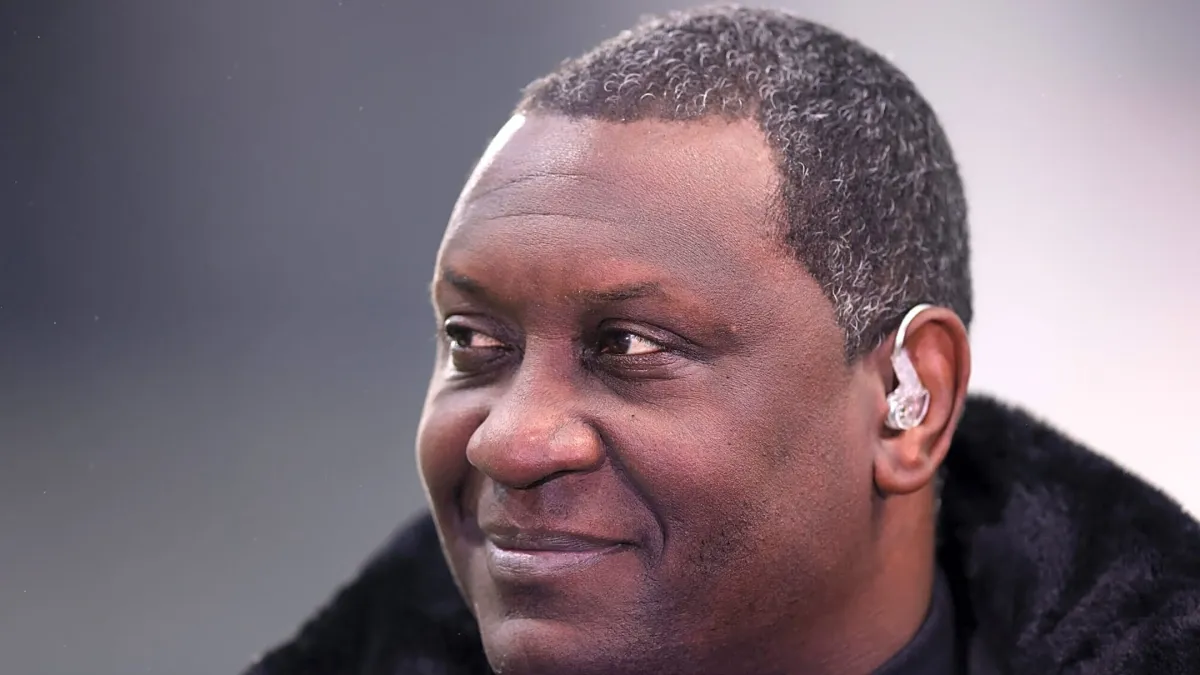
Celtic’s transfer history is littered with ‘what ifs,’ but few carry the weight of Emile Heskey’s near-signing during Martin O’Neill’s first spell in charge. The former England forward has revealed that Celtic made a £10m bid for his services, only for Heskey to turn down the move outright—despite the club’s ambition to bring him to Glasgow. His decision, rooted in loyalty to his Premier League club, now stands as a pivotal moment that could have rewritten Celtic’s trajectory in the early 2000s.
Heskey’s refusal to leave England wasn’t just personal; it was tactical. At the time, Celtic were navigating a period of transition, having just secured their first-ever Champions League qualification in 2003. A striker of Heskey’s calibre—with 62 England caps and a proven record in Europe—could have provided the firepower to challenge for domestic dominance. His physicality, aerial dominance, and goal-scoring record in the Premier League made him a target worth pursuing, yet Celtic’s board ultimately chose not to act. The reasons behind the rejection remain unclear, but the timing suggests hesitation in fully committing to a high-profile signing during a club in flux.
The implications of Heskey’s potential arrival extend beyond Celtic’s immediate squad. His presence could have accelerated the development of younger players, offering them a mentor with first-team experience in England’s top flight. Instead, Celtic’s focus shifted to other avenues, including the pursuit of Kasper Hogh—a player whose own journey to Parkhead has been marked by gradual growth rather than immediate impact. Hogh, now 25, has spoken openly about the challenges of adjusting to Scottish football, scoring just once in his first nine appearances before finding his rhythm. His story contrasts sharply with Heskey’s established reputation, highlighting how a single transfer decision can shape a club’s identity for years.
Even now, the question lingers: could a striker of Heskey’s experience have helped Celtic secure a trophy during their most competitive era? The club’s 2004–05 season, when they finished runners-up in the Premier League, was a near-miss that still stings. With Heskey at the forefront, Celtic might have pushed for that elusive title, or at least added another trophy to their growing collection. The rejection isn’t just a footnote in Celtic’s history—it’s a reminder of how close the club came to making a move that could have altered the course of Scottish football.
For now, Heskey’s story remains a cautionary tale of missed opportunities. His decision to stay in England ensured his legacy would be tied to clubs like Liverpool and Aston Villa, but it also left Celtic without a striker who could have been a linchpin in their golden era. The £10m bid stands as a silent regret, a moment where ambition met hesitation—and history was changed, not by what Celtic did, but by what they chose not to do.