The Premier League’s financial watchdog has delivered a verdict that casts a long shadow over Manchester City’s recent dominance—and, by extension, the entire Premier League’s regulatory framework. The report, delivered in stark terms, reveals that the club’s income was inflated by over £830 million through a systematic misclassification of sponsorship funds. What began as a technicality—recording off-field investments as revenue—has now become a scandal that threatens to reshape the league’s financial integrity.
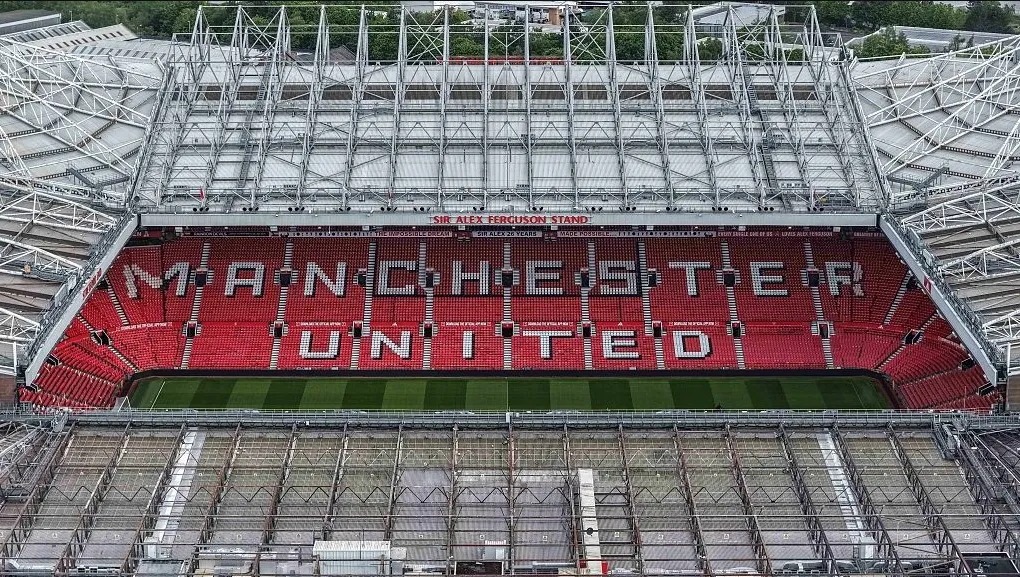
For Manchester United, the fallout is immediate and inescapable. While City’s owners navigated the rules with creative accounting, United’s own financial house of cards is collapsing under the weight of unsustainable debt. The club posted a $60 million loss in a season where revenues hit record highs, yet the core issue remains: how to fund a new stadium, clear outstanding transfer fees, and maintain competitive spending without triggering further penalties. The Premier League’s crackdown on City’s practices has exposed the fragility of United’s own financial strategy, forcing them to confront a brutal reality—every pound spent on the pitch must now be earned with precision, not just ambition.
The contrast between the two clubs could not be more stark. City’s scandal reveals how easily financial boundaries can be blurred when ownership prioritizes on-field success over regulatory compliance. United, meanwhile, faces a different kind of crisis: the inability to reconcile its global brand with its financial reality. With a revolving credit limit stretched to its limits and no clear path to debt reduction, the club’s next move will determine whether it remains a Premier League powerhouse or becomes a cautionary tale of unchecked financial risk.
What this exposes is the league’s own vulnerabilities. The Premier League’s financial rules were designed to prevent exactly this kind of manipulation, yet City’s actions suggest the system was either too lenient or too easily exploited. For United, the lesson is clear: the days of spending freely on transfers and infrastructure are over. The club must now navigate a new era—one where every decision, from player signings to stadium plans, is scrutinized under a microscope. The question is no longer whether United can compete, but whether it can do so without collapsing under the weight of its own financial burdens.