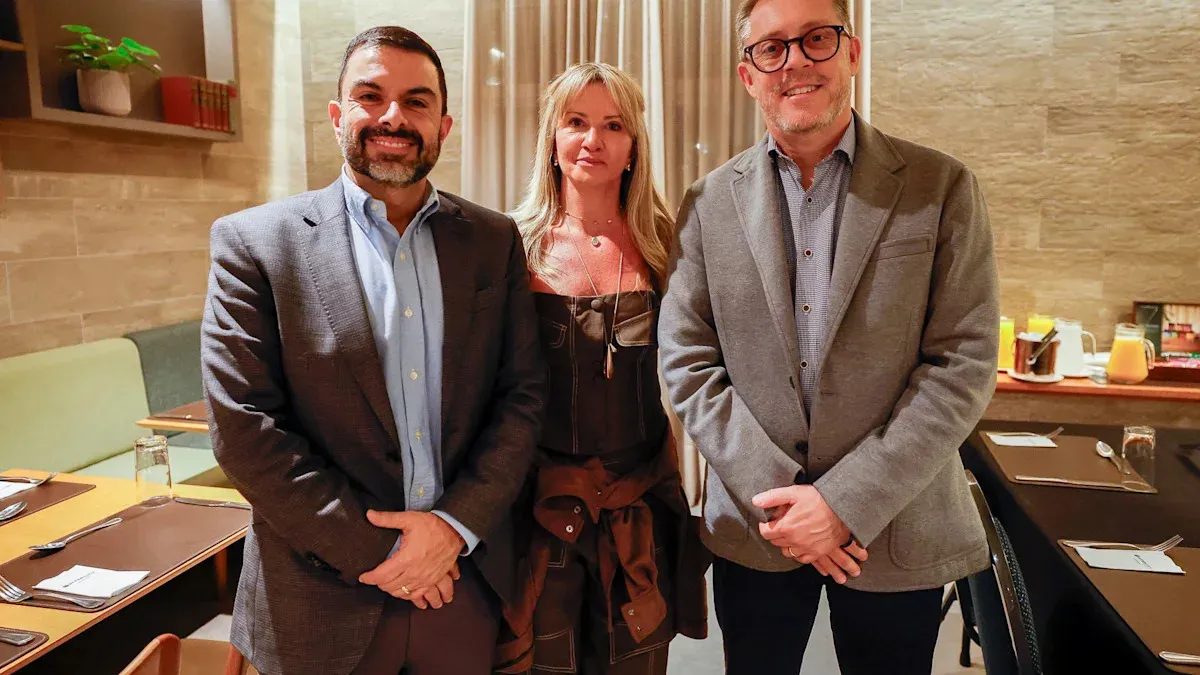
Luciano Hoscman’s visit to the Brazilian Women’s National Team’s training facility in Porto Alegre last Monday was more than a routine inspection—it was a calculated step toward embedding Rio Grande do Sul’s football federation (FGF) at the heart of the country’s women’s game. As the federation’s president, Hoscman’s presence at the camp, where the team was preparing for upcoming fixtures, signaled a direct commitment to the sport’s development beyond administrative oversight. The meeting agenda, which included fiscal reporting and strategic discussions, revealed a deliberate effort to merge financial transparency with on-field progress—a rare but necessary alignment in emerging football markets.
The timing of Hoscman’s visit couldn’t be more deliberate. With the FGF’s Deliberative Council scheduled to convene just days later in Santos, the Porto Alegre engagement served as a practical preview of the federation’s priorities. The council’s upcoming session will address administrative accountability, youth development projects, and matters of direct interest to the club—all areas where women’s football has historically lagged in visibility and investment. By observing the national team’s operations firsthand, Hoscman positioned himself to advocate for targeted funding and policy changes that could accelerate the region’s growth, particularly in areas like infrastructure and coaching standards.
What makes this visit particularly noteworthy is its focus on fiscal responsibility. The FGF’s presentation of its *Administrative Accounting Report for the 2nd Quarter of 2026* to the council underscores a broader trend: smaller football associations are increasingly demanding accountability from their leadership. For Hoscman, this means balancing the federation’s financial health with the urgent need to expand women’s football’s footprint. The national team’s training base in Porto Alegre, a hub for elite development, became the ideal backdrop for this dual mission—proving that progress in football is not just about talent, but about the systems that nurture it.
The ripple effects of Hoscman’s engagement extend beyond Rio Grande do Sul’s borders. As FIFA’s support for emerging nations continues to yield tangible results—from youth academies to international competitiveness—the FGF’s proactive approach offers a blueprint for other federations. The message is clear: when leadership engages directly with the grassroots, when financial transparency is paired with on-field vision, and when institutions prioritize women’s football as a cornerstone of their identity, the entire sport benefits. For now, Porto Alegre stands as a case study in how strategic visits can translate into structural change—one meeting, one report, and one deliberate step at a time.