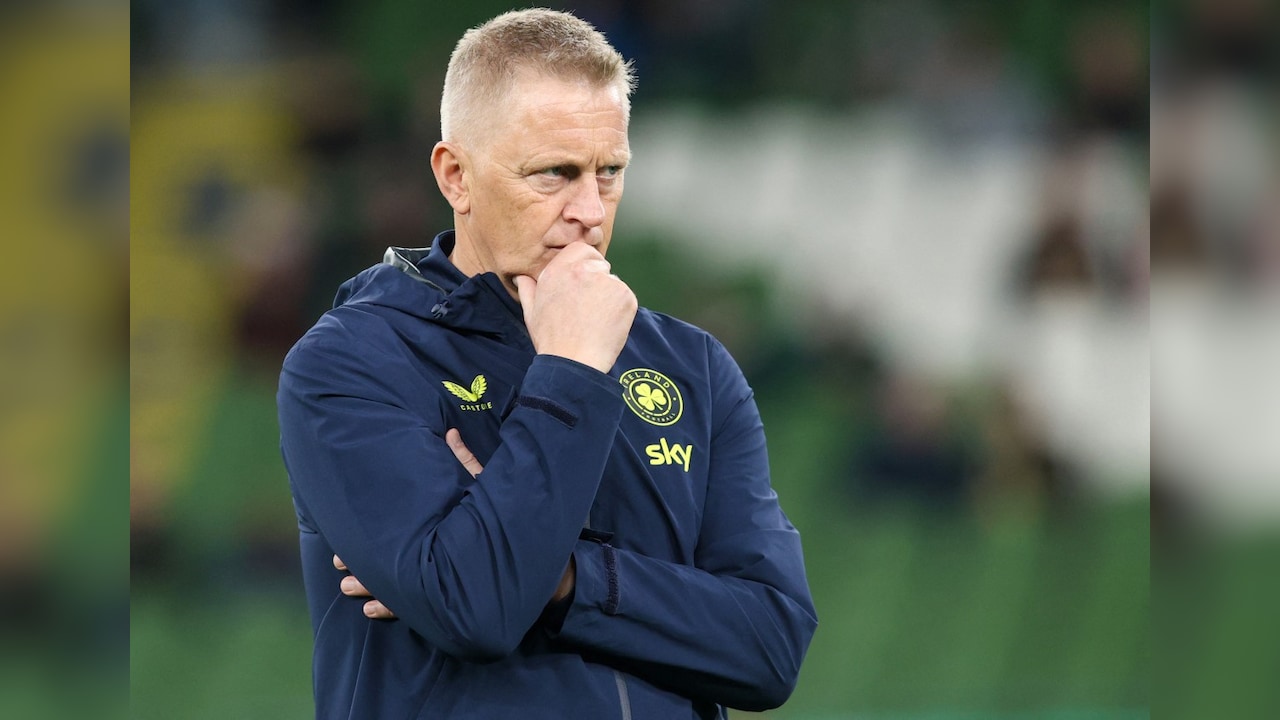
The Nations League has rarely been a neutral stage for Ireland’s national team. This week’s fixtures against Israel—one in Debrecen, Hungary, the other in Backa Topola, Serbia—exposed the deep fractures within the sport’s international calendar. Heimir Hallgrimsson, the Republic of Ireland’s coach, has now made it clear: UEFA must intervene to ensure such confrontations do not repeat.
The matches were not merely competitive; they were symbolic. Ireland’s 3-0 victory in Debrecen, followed by a 1-1 draw in Serbia, came against a backdrop of sustained pressure on players to boycott the games. Hallgrimsson, speaking after the second fixture, framed the issue with uncharacteristic bluntness. ‘I wouldn’t wish any national team to endure what we’ve faced in the past two weeks,’ he said. ‘There is strong support for Palestine in Ireland—perhaps more than in most countries—and the emotional weight of these games was undeniable.’ His plea to UEFA was direct: separate the sides in future competitions.
The tension predated the matches themselves. Ireland’s players faced public and private scrutiny over whether to participate, with some reportedly expressing reluctance. The build-up to the games in Hungary and Serbia—both neutral venues by UEFA’s standards—highlighted the growing intersection of football and geopolitics. Hallgrimsson’s intervention underscores a broader debate: how much responsibility does the governing body bear when national teams are drawn into conflicts beyond their control?
UEFA’s response will be watched closely. The Nations League, designed to provide more meaningful fixtures than traditional qualifiers, has increasingly become a battleground for ideological stances. Hallgrimsson’s call is not just about Ireland; it reflects a wider unease among coaches and players about the sport’s role in global tensions. For now, the focus remains on the immediate fallout—how UEFA will address the demand for separation, and whether this marks the beginning of a shift in how international football handles such disputes.