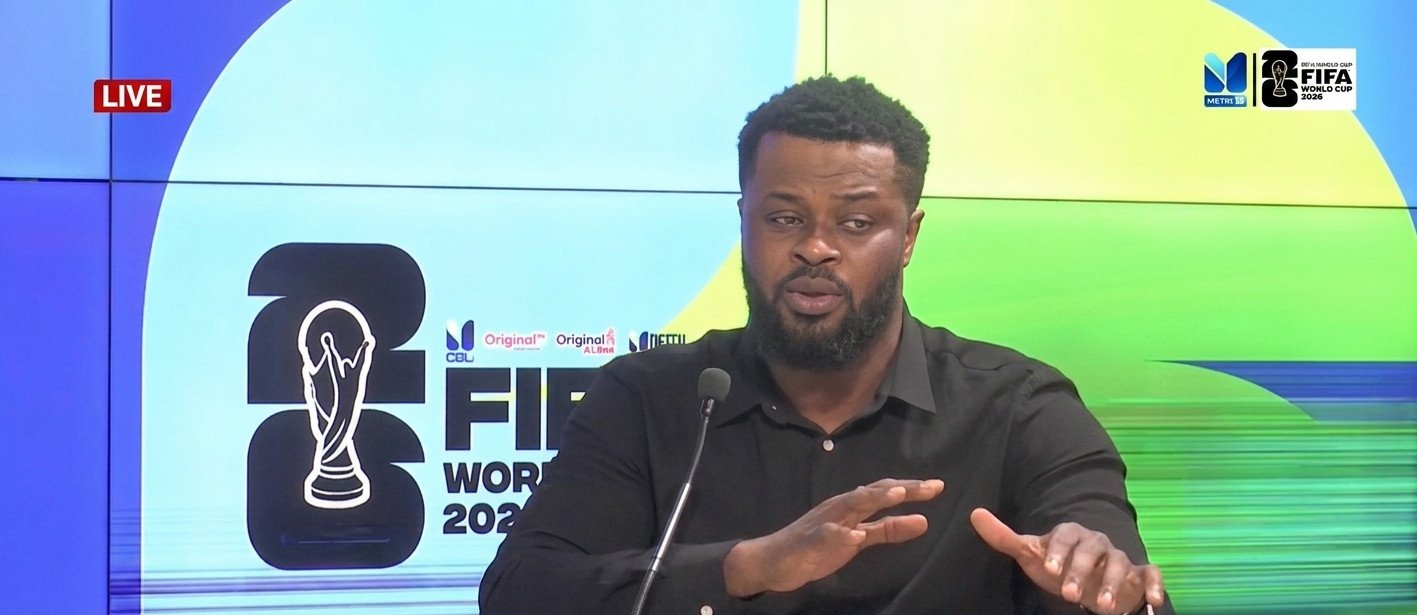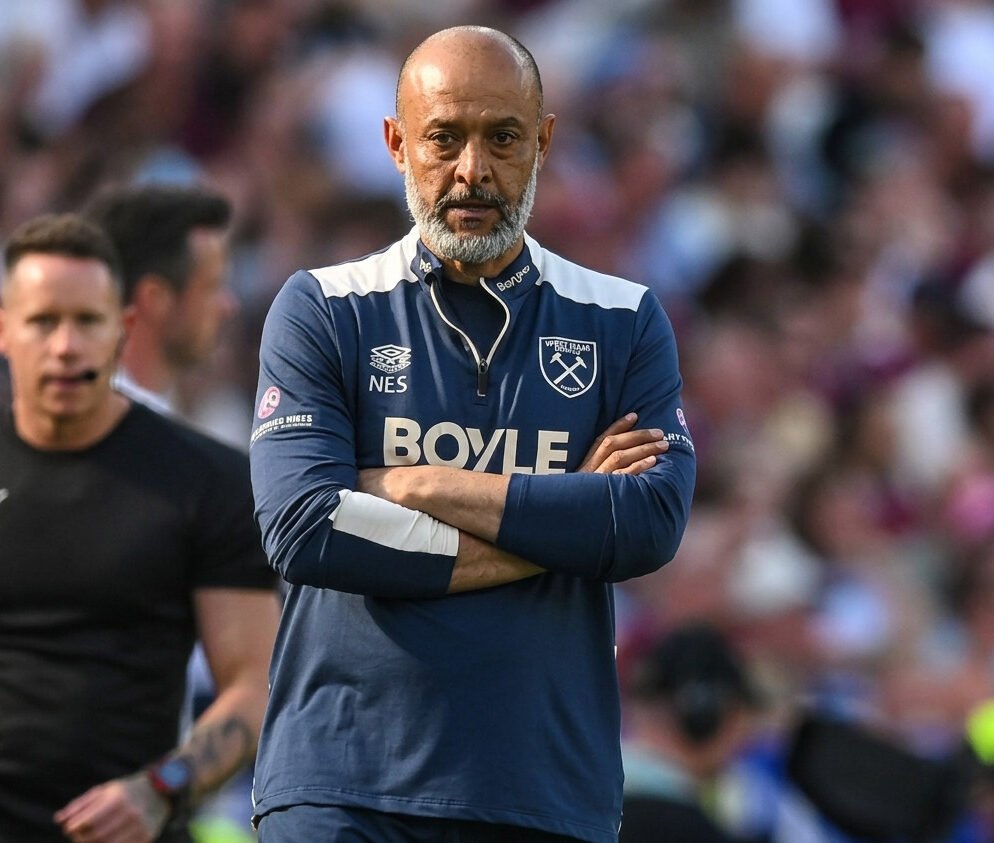
The Premier League’s most dominant force stands on the precipice of a historic reckoning. Manchester City, the club that redefined English football with its relentless pursuit of trophies and financial dominance, now faces the prospect of severe punishment—including potential relegation—after a nine-season financial scandal was exposed. Canada national team manager Jesse Marsch, whose experience managing in the Premier League left him convinced of the club’s systemic inconsistencies, has called for the most drastic measures possible. ‘Everyone knew,’ Marsch declared, emphasizing that the breaches were not just internal failures but a widely recognized industry secret. The Premier League’s independent commission, which has been investigating since 2023, is poised to deliver a verdict after a hearing that laid bare how City allegedly used ‘sham’ commercial contracts to inflate revenue by over $1.19 billion while understating costs.
The scale of the alleged fraud is staggering. Over the span of nine seasons—from 2009-10 to 2017-18—City was accused of failing to provide accurate financial information, manipulating player and coaching payments, and repeatedly violating financial sustainability rules. The Premier League’s charges also included a failure to cooperate with investigations, a pattern that has raised questions about the club’s long-term integrity. While UEFA previously imposed a two-year European ban (later overturned by CAS) for financial fair-play violations, the Premier League’s potential sanctions could be far more severe. Points deductions, title stripping, or even expulsion from the league are now on the table, with Marsch arguing that monetary fines alone would not suffice. ‘Money is not sufficient,’ he stated bluntly. ‘It would have to be something more drastic than that.’
The implications stretch beyond Manchester City. The club’s financial model, built on the back of Sheikh Mansour’s investment and a network of off-field deals, has long been a subject of scrutiny. Yet the scale of the alleged deception—enough to distort the league’s financial landscape for nearly a decade—has forced even the most vocal supporters to question the sustainability of such practices. Former players and pundits, including Oasis frontman Noel Gallagher, have expressed shock at the revelations, while other clubs like Everton and Nottingham Forest have already faced points deductions for similar breaches. The hearing, which began in September 2024, has exposed a system where financial transparency was systematically undermined, raising uncomfortable questions about how such a powerful club could operate with apparent impunity for so long.
What happens next will define the future of Manchester City—and the Premier League itself. If the commission’s findings are upheld, the club could face a historic demotion, a scenario that would shatter the narrative of its invincibility. The appeal process, handled by an independent three-member panel, will determine the severity of the punishment, but the mood among critics is unrelenting. Marsch’s call for relegation is not just a personal opinion; it reflects a growing consensus that the club’s dominance was built on foundations that were never meant to last. The Premier League’s decision will not only reshape City’s trajectory but also send a message about the limits of financial manipulation in modern football. One thing is certain: the era of unchecked power is over.