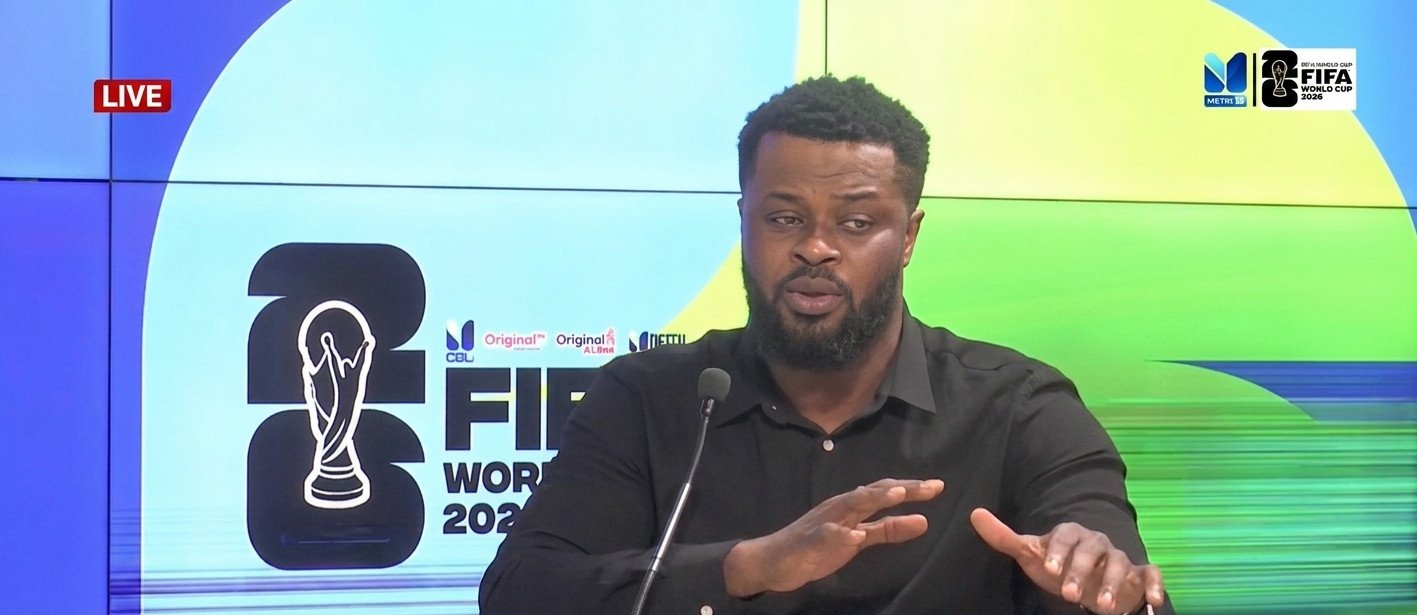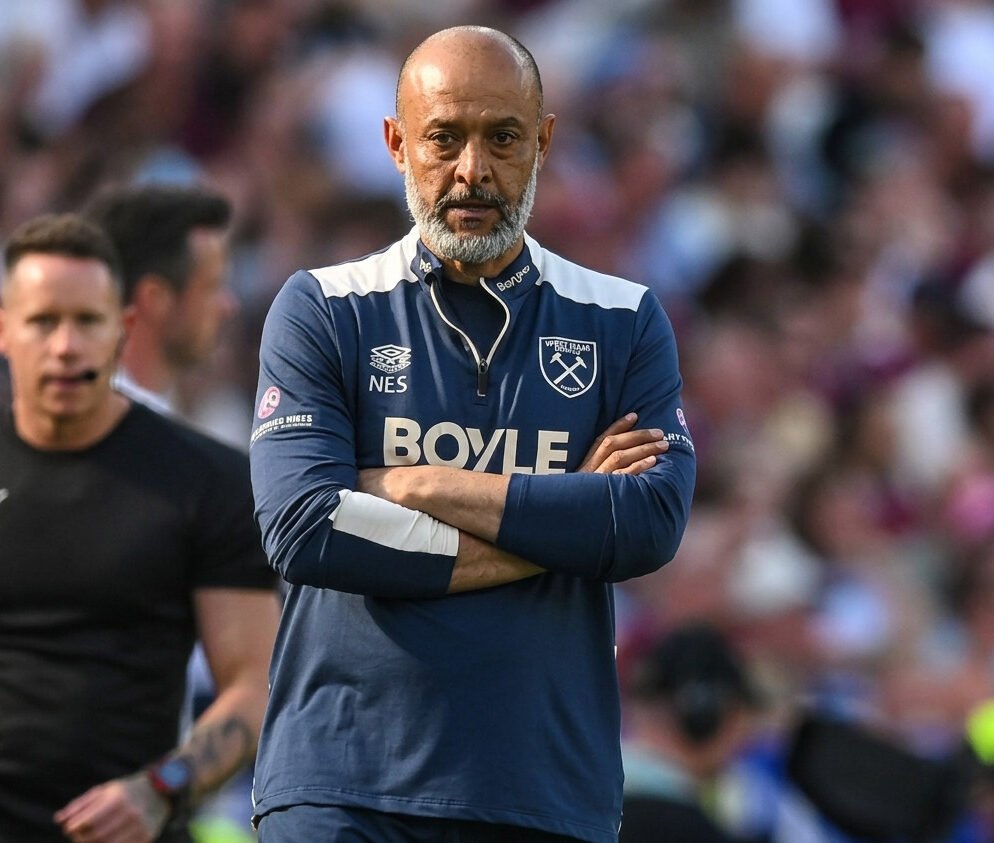
The Premier League’s most glaring financial scandal has found its most vocal critic in Jesse Marsch, whose managerial tenure in England left him in no doubt about Manchester City’s systematic exploitation of the game’s rules. Marsch, who led Leeds United from 2022 to 2023, has now declared that the club’s alleged breaches—spanning nine seasons from 2009-10 to 2017-18—were not just institutional but widely known throughout the league. His blunt assessment, delivered in an interview, cuts to the heart of the controversy: ‘I think Man City should be punished severely. I think they should have to go down, and by the way, everyone knew about it. Everyone knew.’
The scale of the alleged wrongdoing is staggering. The Premier League’s independent commission found that City used ‘sham’ commercial contracts to inflate revenue by over £900 million ($1.19 billion) while understating costs—a pattern that allowed the club to operate beyond the financial fair play constraints intended to level the playing field. The ruling, which City has vehemently denied, accuses the club of material errors in law, principle, and fact, a claim they have since challenged in an appeal filed on Thursday. Yet Marsch’s perspective, shaped by his direct experience against City’s machinery, adds a layer of credibility to the accusations. As a manager who navigated the Premier League’s cutthroat environment, he observed firsthand the disparity between the club’s on-pitch dominance and the financial realities of its rivals. His call for relegation is not merely punitive but a demand for accountability—one that forces a reckoning with how the game’s financial rules were systematically bypassed.
The implications of Marsch’s intervention extend beyond the immediate fallout for Manchester City. His remarks underscore a broader tension in modern football: the tension between the unchecked financial power of elite clubs and the integrity of the competition they dominate. The Premier League’s own investigation, which spanned nearly a decade, has already exposed a system where financial manipulation could distort the very fabric of the league. Marsch’s assertion that ‘everyone knew’ suggests this was not a hidden conspiracy but a well-documented truth, buried beneath layers of legal jargon and media silence. His voice, as a former manager who operated in the same ecosystem, carries weight—especially when contrasted with the club’s denial of wrongdoing. For fans and rivals alike, his words serve as a reminder that the game’s financial underbelly is not just a theoretical concern but a lived reality that has shaped the Premier League’s trajectory for over a decade.
City’s appeal, filed just days after the ruling, signals their intent to challenge the findings on technical grounds. Yet the broader question remains: if the club’s financial practices were so blatantly inconsistent with the league’s rules, why did it take nine seasons for the Premier League to act? Marsch’s perspective offers a possible answer. His experience managing against City’s relentless attacking prowess—led by figures like Kevin De Bruyne and Erling Haaland—would have given him a front-row seat to the club’s financial machinations. The disparity between City’s on-pitch success and the financial struggles of clubs like Leeds, where he managed, would have been impossible to ignore. His call for relegation is not just a demand for justice but a plea to restore balance to a league where the playing field has been anything but level.
The fallout from this scandal will reverberate far beyond Manchester City’s boardroom. The Premier League’s reputation as the world’s most competitive and financially transparent league is now under scrutiny. If the appeal fails, the consequences could reshape the league’s financial landscape, forcing other clubs to confront their own practices. For Marsch, the issue is personal. His time in England taught him that the game’s rules were not being enforced equally—and that the consequences of that failure are visible in every matchday. His verdict is not just a critique of Manchester City but a challenge to the Premier League itself: to either uphold its own rules or risk losing the credibility that has made it a global powerhouse.