

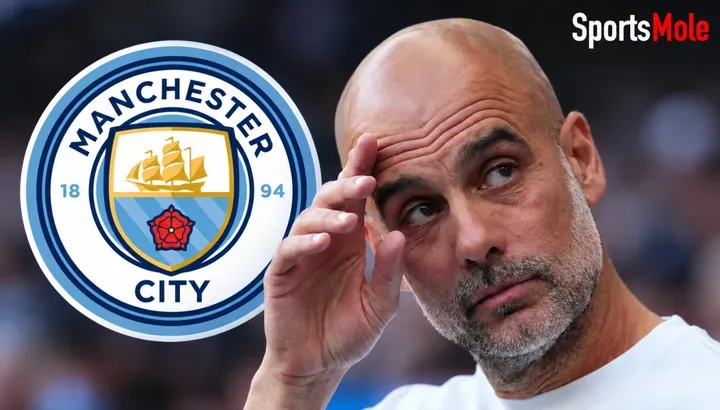
The verdict is in: Manchester City’s financial impropriety has been laid bare. An independent panel has ruled the club guilty of 114 out of 115 alleged breaches, confirming a £830m web of ‘sham’ commercial deals that inflated revenue between 2009 and 2018—a period that encompassed eight trophies, including three Premier League titles. The ruling, delivered after three and a half years of investigation, exposes a system where sponsorship agreements were structured to disguise ownership funding, a practice that now threatens the very foundations of the club’s recent dominance.
The charges are not merely procedural; they are structural. The Premier League’s findings allege City systematically failed to comply with financial regulations, including Uefa’s Financial Fair Play rules from 2013–14 to 2017–18 and the league’s Profitability and Sustainability Rules during the same window. The club’s alleged non-cooperation with the investigation—spanning December 2018 to February 2023—only deepens the scandal’s gravity. While Pep Guardiola’s tenure began in 2016, the period of alleged wrongdoing predates his arrival, yet his era overlaps with the most critical years of the investigation. The 2017–18 Premier League title, his first at City, is the only one directly within the breach period, though the broader implications stretch across his entire reign.
The legal and tactical fallout is already taking shape. City’s legal team has signaled intent to appeal, framing the verdict as a misinterpretation of the club’s commercial structures. Lawyers argue the panel failed to grasp how the funding mechanisms operated, a claim that could force a re-examination of the evidence. For rivals, the verdict offers ammunition: the 2019, 2022, and 2024 titles—won by a single point or two—will now be scrutinized under a new lens. Yet the question remains unanswerable: how much of Guardiola’s success was built on a foundation that may have been legally unsound? The appeal process could redefine not just City’s future, but the very rules governing football’s financial landscape.
Beyond the legal battles, the scandal casts a shadow over Guardiola’s legacy. His record—six Premier League titles, two Champions League trophies—now carries a caveat. While no evidence suggests he was aware of the alleged wrongdoing, the timing of his arrival during the investigation’s critical phase ensures his name is inseparable from the controversy. The club’s response has been measured; Guardiola’s public stance remains steadfast, but the financial penalties—potentially including title stripping—could reshape the club’s trajectory. One thing is certain: this verdict does not mark the end of the story. It is merely the first chapter in a fight that will determine whether Manchester City’s greatest era was built on merit—or misdirection.



