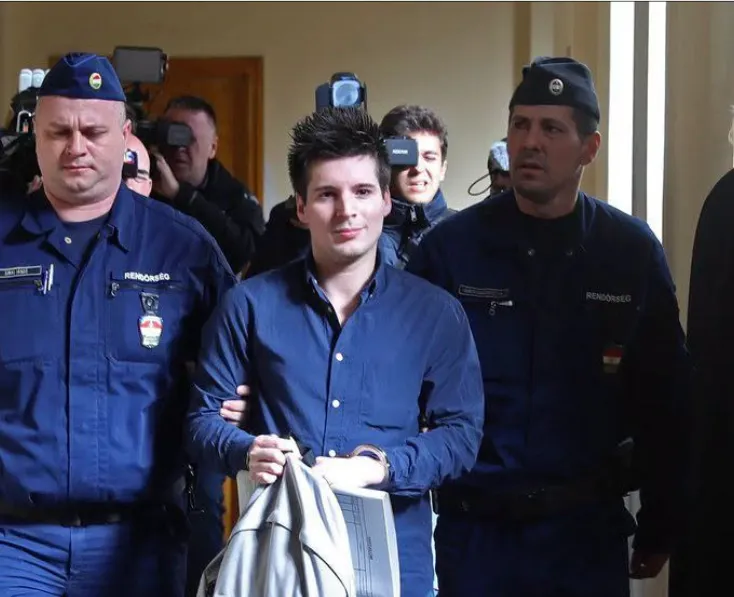
The name Rui Pinto is synonymous with football’s most explosive investigative journalism. A convicted hacker whose work has reshaped the sport’s moral landscape, Pinto’s creation of *Football Leaks* in 2015 didn’t just expose scandals—it forced institutions to confront their own corruption. His revelations, shared with the European Investigative Collaborations (EIC) network, laid bare the inner workings of clubs, agents, and even superstars, from the salaries of Lionel Messi and Neymar to the shadowy world of third-party ownership. But the fallout from his actions has been most severe for Manchester City, whose alleged financial rule breaches—uncovered through Pinto’s documents—culminated in the Premier League’s historic guilty verdict.
Pinto’s legal troubles began long before the City case, but his mission has never wavered. His lawyer, who has also represented figures like Julian Assange and Edward Snowden, frames the Premier League’s decision to charge City as a rare moment of courage in an industry notorious for silencing whistleblowers. ‘It’s a moral reward for all the risks he took,’ the lawyer stated, emphasizing the pressure football’s elite exert to suppress such revelations. Pinto’s work didn’t just target City; it exposed systemic issues, including undercover talks about the European Super League and alleged tax evasion by top players. Yet, the fallout for City—where internal emails about sponsorship deals and payments became public—has been the most consequential, forcing the club to navigate a legal and reputational crisis unlike any other in modern football.
The controversy hasn’t ended with the verdict. Nasser Al-Khelaifi, president of Paris Saint-Germain, has called for restraint in the aftermath, a rare public intervention that underscores the sensitivity of the case. But the deeper question remains: How far will football’s powers allow such transparency before clamping down? Pinto’s legal battles continue, but his impact is undeniable. He didn’t just leak documents—he forced the game to confront its own hypocrisies, even if the consequences for those in power have been selective.
For Manchester City, the fallout extends beyond the Premier League’s sanctions. The club’s reputation, once untouchable under Pep Guardiola, now carries the weight of Pinto’s revelations. Guardiola himself has spoken publicly about the case, though his remarks have been framed more as a tactical defense than a full acknowledgment of the broader implications. The scandal has exposed the fragility of football’s financial governance, proving that even the most dominant clubs are not above scrutiny—when someone like Pinto is willing to dig deep enough.
Pinto’s story is more than just a tale of whistleblowing; it’s a testament to the power of information in an industry built on secrecy. His work has left an indelible mark, ensuring that football’s hidden deals and questionable practices can no longer be buried. Whether the sport will learn from these revelations—or double down on protecting its elite—remains the ultimate test of its integrity.