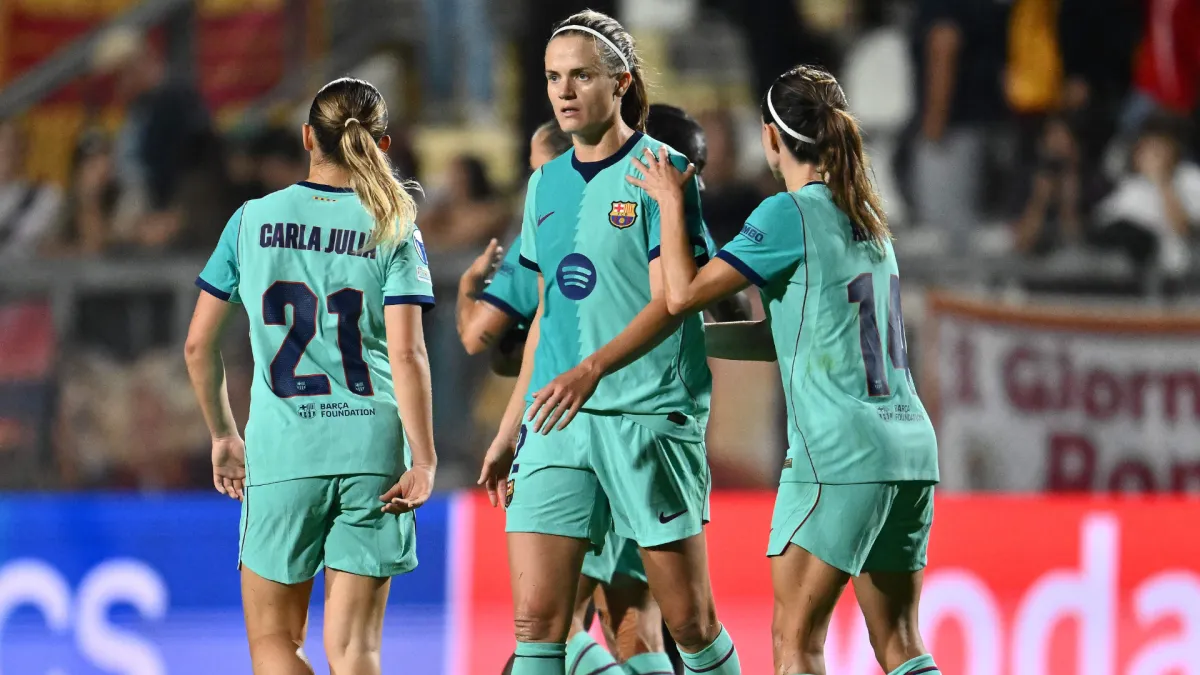
The Women’s Champions League has already delivered its first definitive hierarchy. Barcelona’s dominance is no longer a question—it’s a fact. After two matches, the Catalans have scored 11 goals, a margin that separates them from the rest of the competition like a chasm. Their opening-game demolition of a mid-tier opponent was followed by another display of ruthless efficiency, leaving opponents with little more than the memory of their own defensive frailties. The question now isn’t whether Barcelona will win the tournament; it’s how they’ll manage the pressure of being the only team capable of dictating the pace from the outset.
Bayern Munich, however, have emerged as the most formidable challenger. Their 3-0 away win over Benfica wasn’t just a statement of intent—it was a masterclass in control. Klara Buhl’s goal and assist underscored the team’s ability to dictate play, transition seamlessly, and exploit defensive lapses with precision. The Bavarians have shown the same clinical edge that made them a Premier League powerhouse in men’s football, and if they sustain this form, they’ll be the team to watch in the knockout stages. Their ability to perform away from home—where many teams falter—gives them an immediate advantage over rivals who may struggle with the physical and tactical demands of the Champions League’s later rounds.
Arsenal’s result against Koge, while technically a victory, is a cause for concern. The Gunners’ 1-0 win was secured by a penalty draw that could have gone either way, and manager Renée Slegers’ absence from the post-match press conference—due to the contentious decision—suggests internal frustration. Their goal difference remains strong, but the inconsistency in their defensive structure and the reliance on individual brilliance rather than collective dominance could prove fatal in a competition where margin separates the contenders from the pretenders. The fact that they’ve yet to face Manchester City or Aston Villa in the Premier League adds another layer of uncertainty; their ability to replicate this form against elite opposition will be tested sooner rather than later.
The wider implications are clear: Barcelona are the favorites, Bayern Munich are the dark horses, and Arsenal’s path is littered with potential pitfalls. Lyon and Chelsea’s stalemate against each other may have obscured their individual struggles, but both teams will need to address their defensive vulnerabilities if they hope to challenge the top two. The next few matches will determine whether this early hierarchy holds or if an underdog—perhaps one of the teams yet to play—can disrupt the established order. One thing is certain: the Women’s Champions League has already delivered its first narrative, and the story of who will follow Barcelona remains wide open.