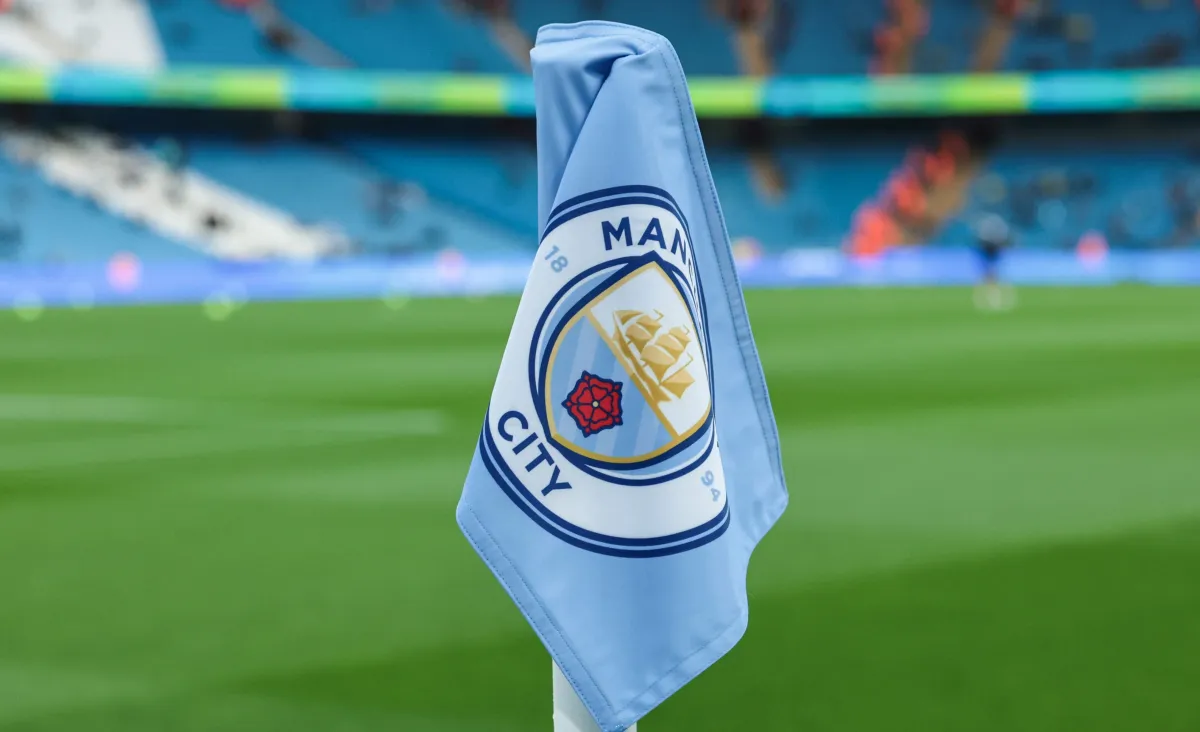
The Premier League has delivered its most seismic verdict in history, confirming Manchester City guilty of **114 out of 115 financial rule breaches**—a damning indictment of the club’s rise to global supremacy. The independent commission’s ruling, spanning a **nine-year period from 2009 to 2018**, exposes a systematic pattern of **sham contracts, inflated sponsorship figures, hidden payments, and deliberate misrepresentation** of financial records. The violations didn’t just bend the rules; they **rewrote them**, enabling City to dominate the Premier League with eight of their last 10 titles, a 2023 Champions League triumph, and a trophy haul that included **three league crowns, two FA Cups, four League Cups, and four Community Shields**—all while allegedly operating beyond the league’s financial safeguards.
The scale of the alleged wrongdoing is staggering. Investigators uncovered **financial manipulations exceeding £900 million ($1.19 billion)**, with the club accused of **failing to cooperate** with the Premier League’s investigation for the remaining 35 charges. The breaches weren’t isolated incidents but a **coordinated strategy** to obscure the true extent of Abu Dhabi’s financial backing, including **offshore structures and fabricated commercial agreements**. Premier League chief executive Richard Masters described the ruling as ‘the most significant in Premier League history,’ framing it as a case where City ‘systematically broke Premier League rules for nearly a decade.’ The implications stretch beyond penalties—rivals are already positioning themselves to **seek compensation**, while the ruling forces a reckoning over the league’s regulatory framework.
City’s response has been predictable but telling. While the club **denied wrongdoing throughout the process**, the verdict leaves little room for denial. The sanctions—yet to be announced—could include **fines, points deductions, or even a reduction in squad size**, though the full extent remains unclear. The club’s chairman, Khaldoon Al Mubarak, had previously called for a ‘more balanced approach’ to financial regulations, suggesting an acknowledgment that the rules may have been **too rigid to accommodate City’s model of success**. Yet the ruling underscores a deeper tension: how to **preserve competitiveness** without enabling the kind of financial engineering that has defined City’s era.
The fallout extends beyond Manchester. The scandal threatens to **redraw the financial landscape of English football**, with other clubs scrutinizing their own practices in an era where dominance often comes with suspicion. The Premier League’s decision to refer the case to an independent commission was a rare acknowledgment of the need for **transparency**, but the verdict now forces the league to confront whether its rules were **too easily circumvented**. For Manchester City, the next chapter will hinge on their appeal—if they choose to pursue one—and how they navigate the reputational damage of a ruling that casts doubt on the very foundations of their empire. One thing is certain: the game will never look the same again.